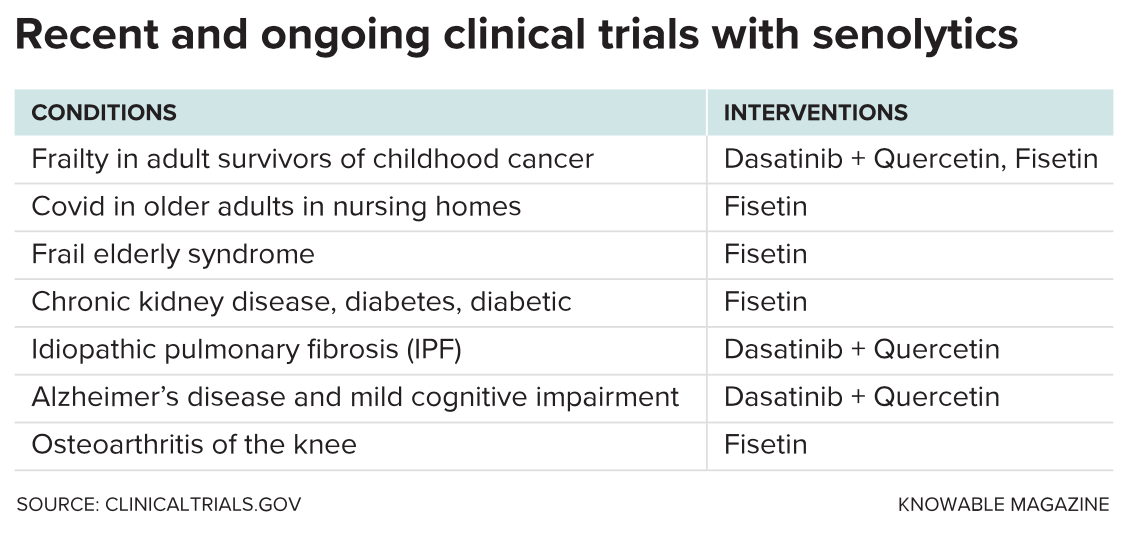
Researchers discover new cause of cell aging Biology Diagrams Cellular senescence is an aging mechanism characterized by cell cycle arrest and a senescence-associated secretory phenotype (SASP). Preclinical studies demonstrate that senolytic drugs, which

Aging is considered as the consequences of cell signaling cascades, cell fate, physical functions, and the repair mechanisms of many organs. Among different contributing factors to aging or cellular senescence, DNA damage response (DDR) and SASP regulation are considered to play the major roles though little attention has been focused on these factors. Bi et al. propose the Senoreverse anti-aging strategy, which aims to reverse the proliferative arrest of senescent cells. Exosomal miR-302b is identified as a Senoreverse candidate that targets the cell cycle inhibitors Cdkn1a and Ccng2, rejuvenating aging mice by improving physical and cognitive functions, extending lifespan, and exhibiting no safety concerns throughout a 24-month observation
aging effects of vascular cell adhesion ... Biology Diagrams
Aging is a complex and multifaceted process involving a variety of interrelated molecular mechanisms and cellular systems. Phenotypically, the biological aging process is accompanied by a gradual loss of cellular function and the systemic deterioration of multiple tissues, resulting in susceptibility to aging-related diseases. Emerging evidence suggests that aging is closely associated with
Cell senescence is often associated with increased ROS level, enhanced β-galactosidase activity and cell cycle arrest [[36], [37], [38]]. In this study, we assessed the anti-aging properties of Anti-VCAM1-GM1@Q micelles in vitro using these parameters (Fig. 3 A). D-gal has been used to induce cell senescence in vitro [39].

302b rejuvenates aging mice by reversing the ... Biology Diagrams
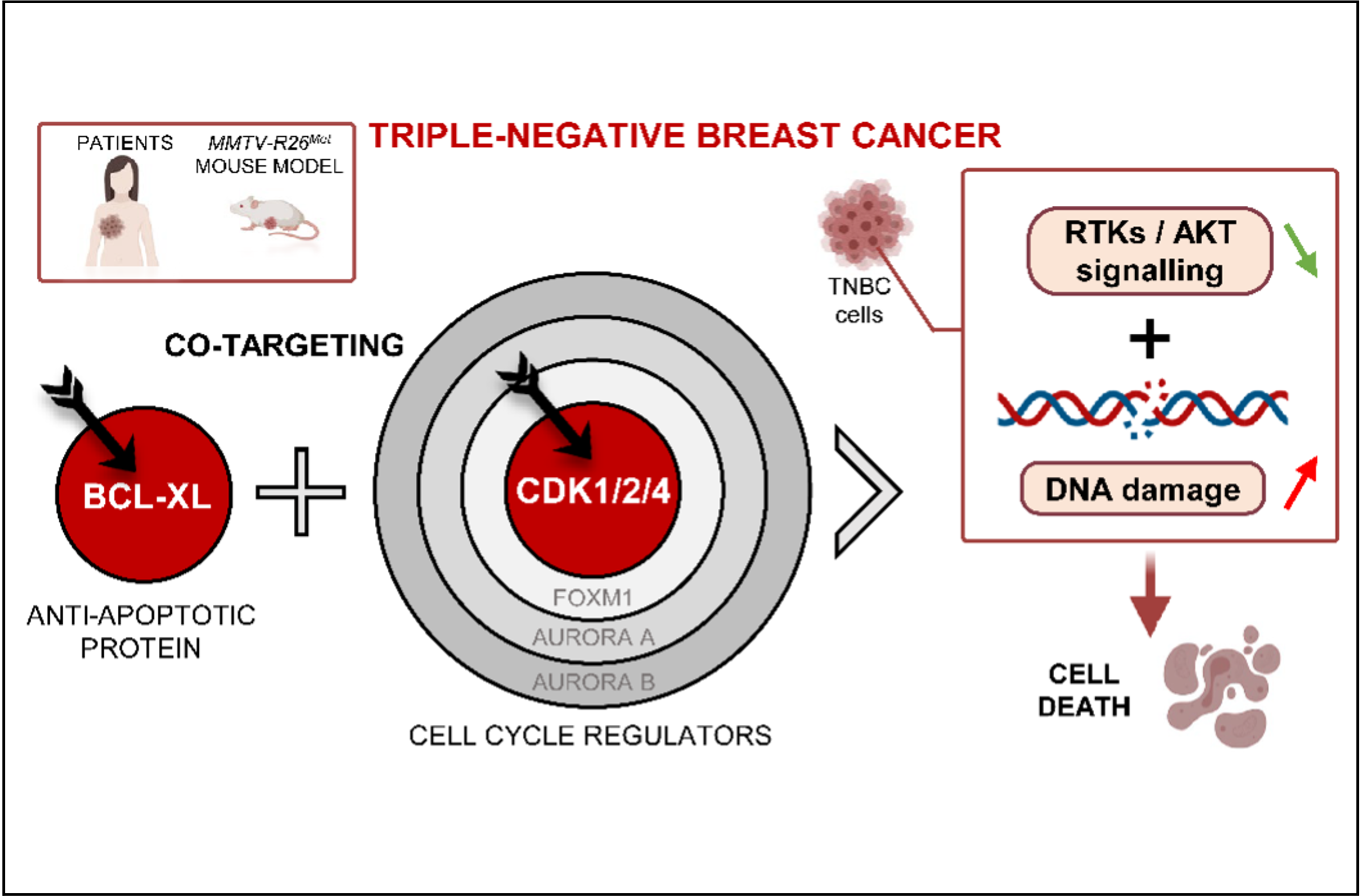
Tight regulation of cell division is critical throughout life for normal developmental processes, tissue regeneration, aging, and recovery from cellular damage. Abnormal development, aging-related disease, or carcinogenesis may result from aberrant cell cycle control. Drugs targeting different phases of the cell cycle may be leveraged for various therapeutic purposes, such as synthetic